

NYC Art High School Applications 2026: Portfolio Requirements & Preparation Guide
Planning to apply to an NYC art high school for 2026? One of the first things students and families should do is visit the NYC MySchools portal and research the schools and art programs available for the upcoming admissions cycle.
Start by making a list of the schools and programs you are interested in. Then, carefully review the portfolio and audition requirements for each program. Requirements can vary by school and major, so knowing exactly what each program expects will help you plan your portfolio more effectively.
Once you have your school list, the most important part begins: creating strong artwork that can earn a competitive portfolio or audition score.
At New York Art Studio, we have worked with students preparing portfolios for NYC art high schools for many years. Through this experience, we have seen how the level and quality of successful student portfolios have continued to evolve. Simply completing the required pieces is not enough. For competitive programs, students should focus on producing artwork that demonstrates strong observational skills, technical ability, creativity, composition, and individual artistic potential.
We have also seen how much a student's work can improve with focused preparation. Developing stronger proportion, perspective, value, composition, and observational drawing skills can significantly change the overall quality of a portfolio.
The goal should not be to create artwork that looks overly polished or beyond the student's age. Instead, a strong middle-school portfolio should show solid foundational skills, thoughtful ideas, creativity, and clear potential for further artistic growth.
In this guide, we will walk through what students and families should know about NYC art high school applications for 2026, from researching programs on MySchools to understanding portfolio requirements and preparing stronger artwork for competitive visual arts programs.
NYC Art High School Portfolio Requirements for 2026
After creating your list of schools, the next step is to check the portfolio and audition requirements for each program through NYC MySchools.
Requirements can vary depending on the school and art program, so students should always confirm the current requirements before beginning their portfolio.
For many NYC visual arts programs, students may be asked to prepare several common portfolio assignments, such as:
- Still life from observation
- Figure drawing from observation
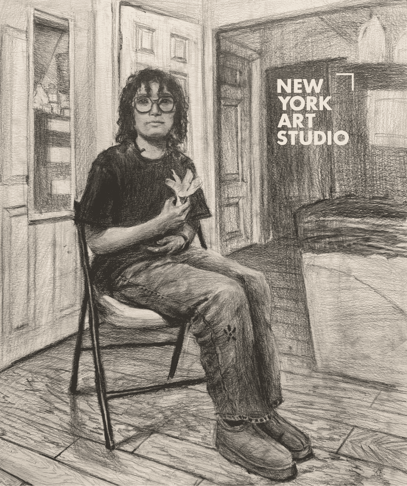
- Self-portrait
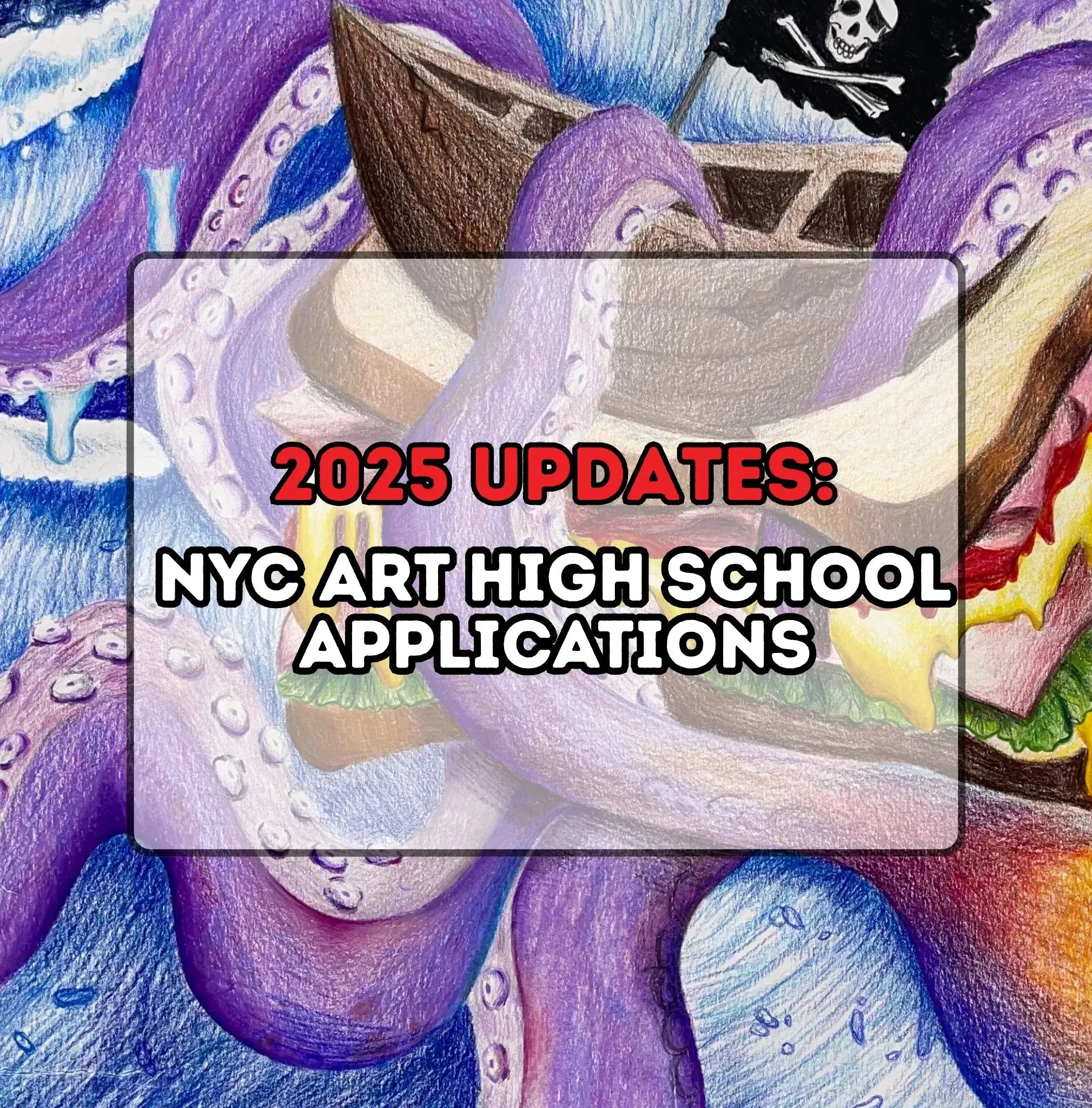
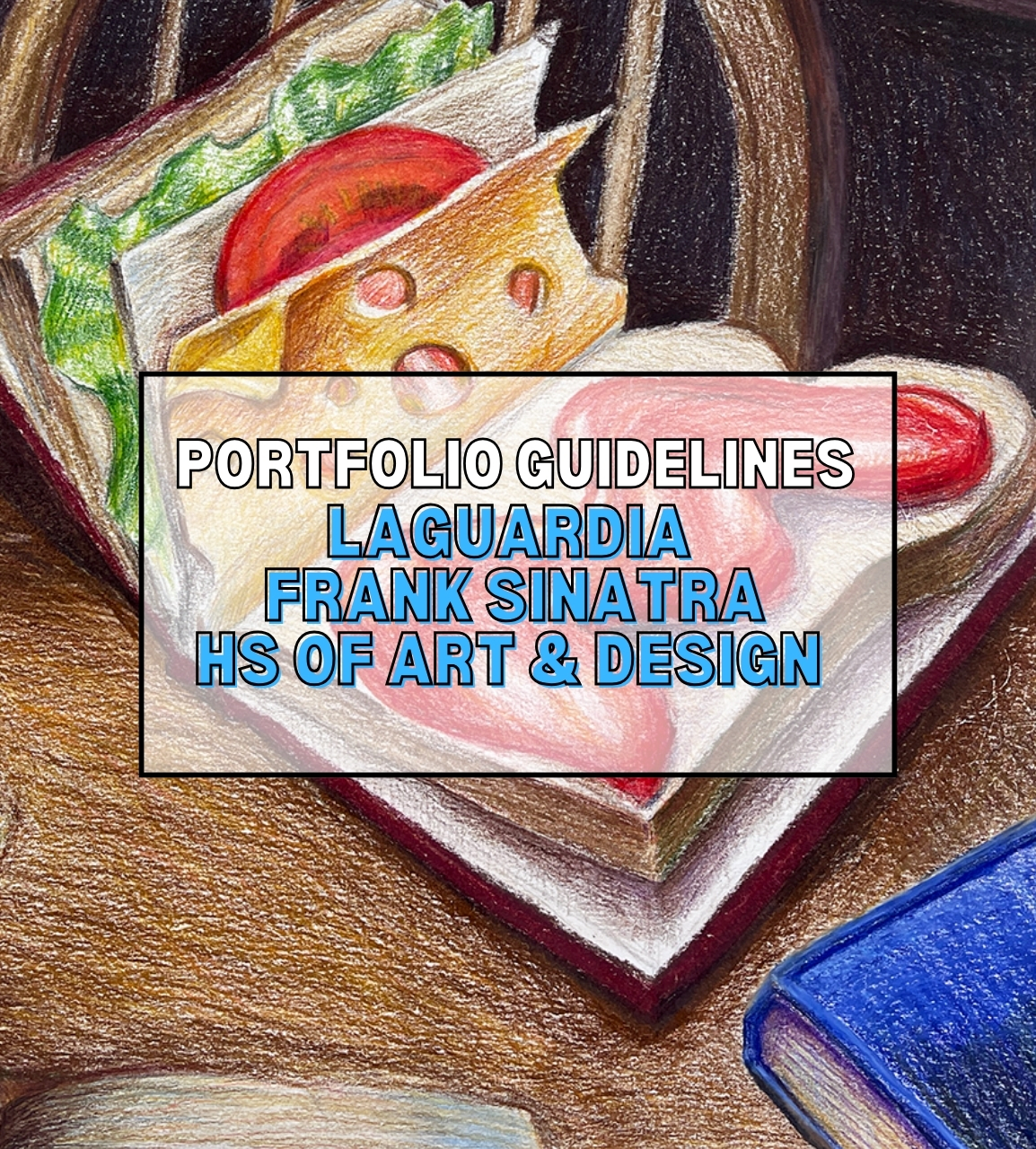
- Fantastical sandwich (requirements may vary from program to program)
Some schools and majors may require additional artwork, creative prompts, or specific projects. Do not assume that one set of portfolio pieces will satisfy every program you are applying to.
Before applying, carefully review the requirements for each school and program you are considering, as some programs may have additional prompts or projects based on the specific school or major, in addition to the four main portfolio pieces that most NYC art high schools require.
Once you know the requirements for each school on your list, you can begin planning your portfolio strategically—allowing enough time to develop, revise, and strengthen each piece rather than rushing to complete the requirements close to the deadline.
Always check NYC MySchools and the individual school's official information for the most current application, portfolio, and audition requirements.
What Should Be Included in an NYC Art High School Portfolio?
Once you understand the required portfolio pieces for each school, the next question is: What makes those pieces strong?
Completing the required assignments is only the first step. A strong NYC art high school portfolio should demonstrate the student's technical skills, observational ability, creativity, composition, and potential for artistic growth.
Based on our experience preparing students for competitive NYC art high school programs, these are some of the most important areas students should focus on while developing their portfolios.
1. Technical Drawing Skills
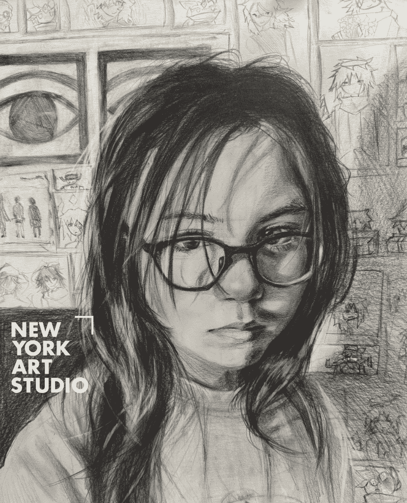
Admissions reviewers do not expect middle school students to be professional artists. However, stronger portfolios typically demonstrate a good understanding of fundamental drawing skills and the ability to apply them thoughtfully to the required assignments.
Students should focus on:
-Proportion-Perspective
-Form and volume
-Light and shadow
-Composition
-Line quality
-Value
-Texture
Rather than trying to make every piece look “perfect,” students should focus on demonstrating a strong foundation, careful observation, and clear artistic development.
2. Strengthen Your Observation Drawing Skills
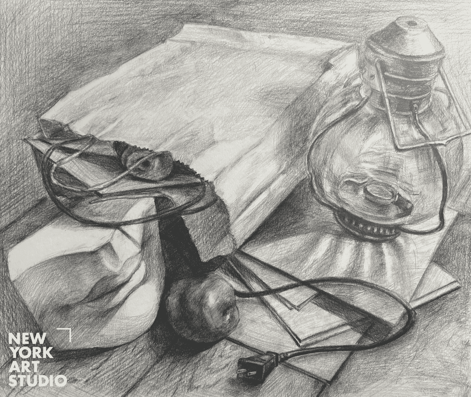
Strengthen Observation Drawing Skills!
Observation drawing is especially important when preparing for NYC art high school admissions because several common portfolio assignments require students to draw directly from observation.
Drawing from observation means carefully studying a real subject in front of you rather than simply copying a photograph or drawing entirely from imagination.
Students can strengthen their observation drawing skills by practicing:
-Still-life arrangements-Everyday objects
-Shoes and clothing
-Hands and feet
-Portraits and self-portraits
-Interior spaces
-Buildings and city scenes
-People in everyday environments
Regular observation drawing practice helps students develop a stronger understanding of proportion, perspective, form, spatial relationships, light, and value—all important skills when preparing a competitive NYC art high school portfolio.
Regular observation drawing practice helps students develop a stronger understanding of proportion, perspective, form, spatial relationships, light, and value—all important skills when preparing a competitive NYC art high school portfolio.
3. Show Creativity and Personal Voice in Your Portfolio
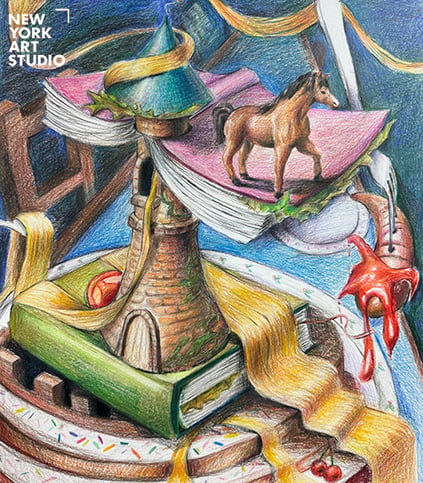
Technical drawing and observation skills are important, but they are only part of a strong NYC art high school portfolio. Admissions reviewers also want to see how students think creatively, develop ideas, and express their individual interests.
Students should consider creating artwork that demonstrates:
-Original ideas and imagination-Creative problem-solving
-Personal interests and experiences
-Exploration of different materials and techniques
-Experimentation with composition, color, or style
-A willingness to take creative risks
Creative portfolio assignments, including prompts such as the Fantastical Sandwich, allow students to go beyond technical drawing and demonstrate imagination, storytelling, and original thinking.
A strong portfolio should feel personal to the student. References and inspiration can be helpful, but the final artwork should reflect the student's own ideas, interests, and artistic voice.
Notable NYC Art High Schools and Visual Arts Programs
- Art and Design High School (02M630): Commercial Art, Cartooning, Illustration, Fashion Design
- Bayside High School (26Q495): Digital Art & Design program (Q12A)
- Brooklyn High School of the Arts (15K656): Visual Arts program (K47J)
- Dr. Susan S. McKinney Secondary School of the Arts (13K265): Visual Arts program (K42A)
- Fiorello H. LaGuardia High School of Music & Art and Performing Arts (03M485): Fine Arts program (M80J)
- High School of Fashion Industries (02M600): Art, Photography, and Graphic Design (M68J)
- Frank Sinatra School of the Arts (30Q501): Fine Arts program (Q40J)
- And more specialized programs across NYC public schools.
2026 NYC Art High School Application Tips for Students
|
1. Start Preparing Early
|
Don't wait until the application deadline is approaching to begin your portfolio. Starting 6–12 months in advance gives students time to strengthen foundational skills, develop ideas, receive feedback, and revise their work without rushing. |
|
2. Ask for Feedback |
Regular feedback from an experienced art teacher or portfolio instructor can help students identify areas that need improvement and make stronger decisions about their portfolio. |
| 3. Revise and Improve Your Work | Your first attempt does not have to be your final submission. Take time to revisit your artwork, correct technical issues, strengthen compositions, and develop ideas further. Thoughtful revision can make a significant difference in the overall quality of a portfolio. |
| 4. Research Each School and Program | Portfolio and audition requirements can vary by school, program, and major. Check each program individually rather than assuming that the same portfolio will meet every school's requirements. |
| 5. Keep Track of Requirements and Deadlines | Use NYC MySchools and each school's official information to confirm current portfolio requirements, audition instructions, application dates, and deadlines. Requirements may change from one admissions cycle to another |
Final Thoughts: Preparing for 2026 NYC Art High School Admissions
A strong NYC art high school portfolio takes time to develop. Starting early gives students the opportunity to improve their technical skills, practice drawing from observation, explore creative ideas, and develop artwork that represents their individual strengths.
Remember that admissions reviewers are not simply looking for perfect drawings. A strong portfolio should demonstrate skill, observation, creativity, thoughtful ideas, artistic growth, and potential.
Most importantly, carefully review the requirements for every school on your list and give yourself enough time to create your strongest work.
Need Help Preparing an NYC Art High School Portfolio?
New York Art Studio offers Art High School Portfolio Preparation for middle school students applying to competitive NYC art high schools and visual arts programs, including Fiorello H. LaGuardia High School, Frank Sinatra School of the Arts, Art and Design High School, and other NYC art programs.
Our portfolio preparation focuses on the skills students need to develop stronger application artwork, including observational drawing, figure drawing, self-portraiture, still life, perspective, composition, technical drawing skills, creative development, and portfolio preparation.
Students receive individualized instruction and feedback based on their current skill level, target schools, and portfolio requirements, allowing them to strengthen both their technical abilities and their individual artistic voice.